Strategies for Growing Your Board Game Community
Building a thriving board game community requires thoughtful strategies and a commitment to fostering engagement. Whether you're in Dublin or Donegal, creating a welcoming environment can significantly enhance participation and enjoyment in board games.
Understanding Community Dynamics
According to research from the International Board Game Association, successful board game communities often share common traits. These include a welcoming atmosphere, organized events, and a variety of game offerings. Experts recommend focusing on the social aspect of gaming, as this can foster deeper connections among players.

"Communities thrive when members feel a sense of belonging and shared interest. Engagement is key."
Creating Dedicated Physical Spaces
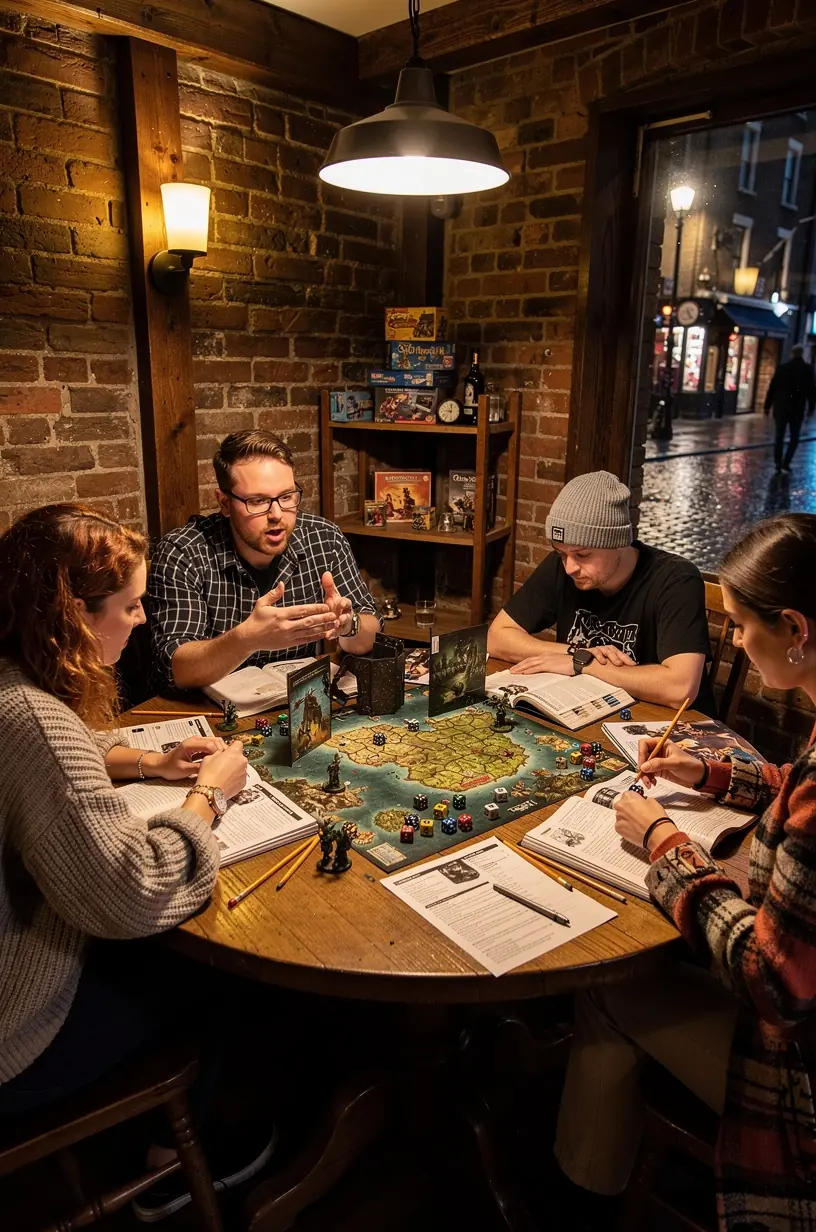
Having a dedicated space for board gaming can significantly impact community growth. Many clubs report that a comfortable, accessible venue encourages attendance. Consider the following factors:
- Location: Choose a location that is easily accessible to potential members. Ideally, it should be central and well-connected by public transport.
- Amenities: Providing comfortable seating, good lighting, and refreshments can enhance the gaming experience. Research indicates that environments conducive to gaming can lead to increased satisfaction and longevity in participation.
- Ambiance: Create a welcoming atmosphere with appropriate decorations, such as thematic artwork or cozy lighting. This helps in establishing a unique identity for your club.
Hosting Regular Events and Tournaments
Regularly scheduled events, such as themed game nights or tournaments, can significantly boost community engagement. A study published in the Journal of Gaming Studies found that frequent events can lead to higher retention rates within gaming clubs.
Here are some effective strategies for event planning:
- Theme Nights: Create special nights focused on specific genres, such as strategy, co-op, or family games. This caters to diverse interests and can attract different groups.
- Incentives: Consider offering prizes for tournament winners. While not all events need prizes, many participants report feeling more motivated to attend when there are rewards involved.
- Feedback Loops: Engage with your community by soliciting feedback on events. This can involve surveys or informal discussions. Understanding what members enjoy helps tailor future events to their preferences.
Building an Inclusive and Diverse Community
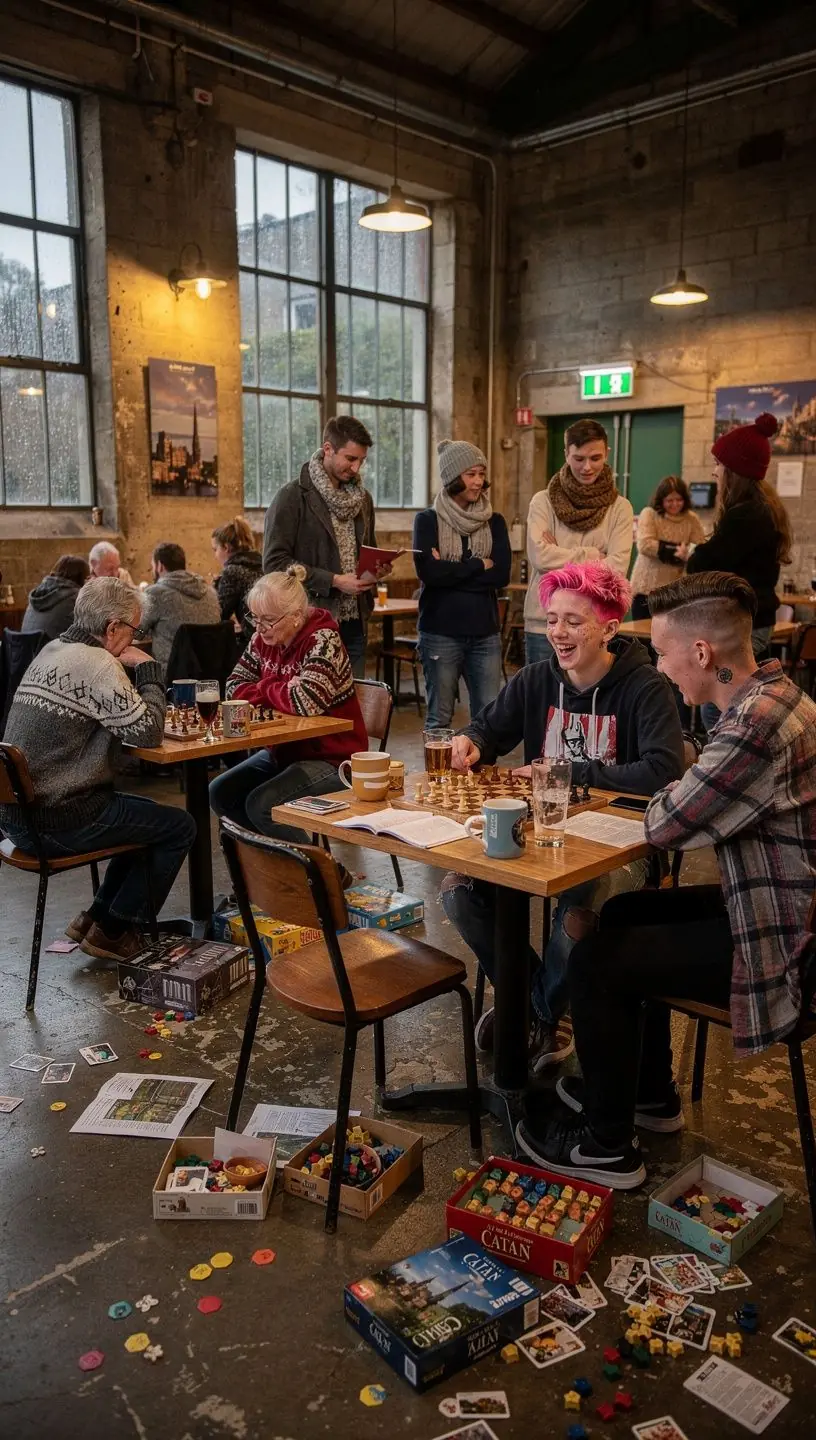
A successful board game community often reflects a range of perspectives and experiences. Experts suggest that inclusivity should be a priority, as it can enhance creativity and engagement. Here are some approaches:
- Diverse Game Selection: Offer a wide variety of games that cater to different demographics and skill levels. This ensures that everyone can find something they enjoy.
- Welcoming Newcomers: Create a structured introduction process for new members. Many users report that feeling welcomed can make a significant difference in their willingness to return.
- Community Outreach: Engage with local schools, colleges, and communities to raise awareness about your club. Hosting events in collaboration with other organizations can spread the word and attract new members.
Conclusion
Growing a board game community takes time, effort, and a genuine dedication to fostering connections among members. By creating welcoming spaces, hosting regular events, and promoting inclusivity, you can cultivate a vibrant community that thrives on shared interests. Remember that while the journey may take time, the rewards in camaraderie and enjoyment are well worth the effort.
Learn More