The History and Evolution of Board Games
Board games have a rich and diverse history that reflects cultural shifts and social practices across centuries. This article explores the evolution of board games, how they have transformed into modern-day entertainment, and their relevance in today's social environments, particularly in dedicated board game clubs across Ireland.
Understanding the Origins of Board Games
The earliest known board games date back to around 5000 BCE, with games like Senet in ancient Egypt and Go in ancient China. These games not only served as entertainment but also reflected the strategic thinking and social values of their times. According to research conducted by game historians, these early games often involved complex rules and were played by various social classes, indicating their widespread appeal.

"Board games often reflect the cultures and societies from which they originate, providing insights into historical life and values." - Game Historian, Dr. Richard H. Thompson
The Rise of Modern Board Games
As societies evolved, so did the nature of board games. The Industrial Revolution in the 19th century saw a surge in the production of board games, with classics like Monopoly and Scrabble emerging. These games often incorporated elements of capitalism and social competition, resonating with the changing economic landscape of the time.
Experts suggest that the rise of modern board games can be attributed to several factors:
- The mass production of materials made games more affordable and accessible to a broader audience.
- Increased leisure time allowed families and friends to engage in social gaming experiences.
- The introduction of thematic elements and storytelling in gaming enhanced player engagement and interest.
The Role of Board Game Clubs Today
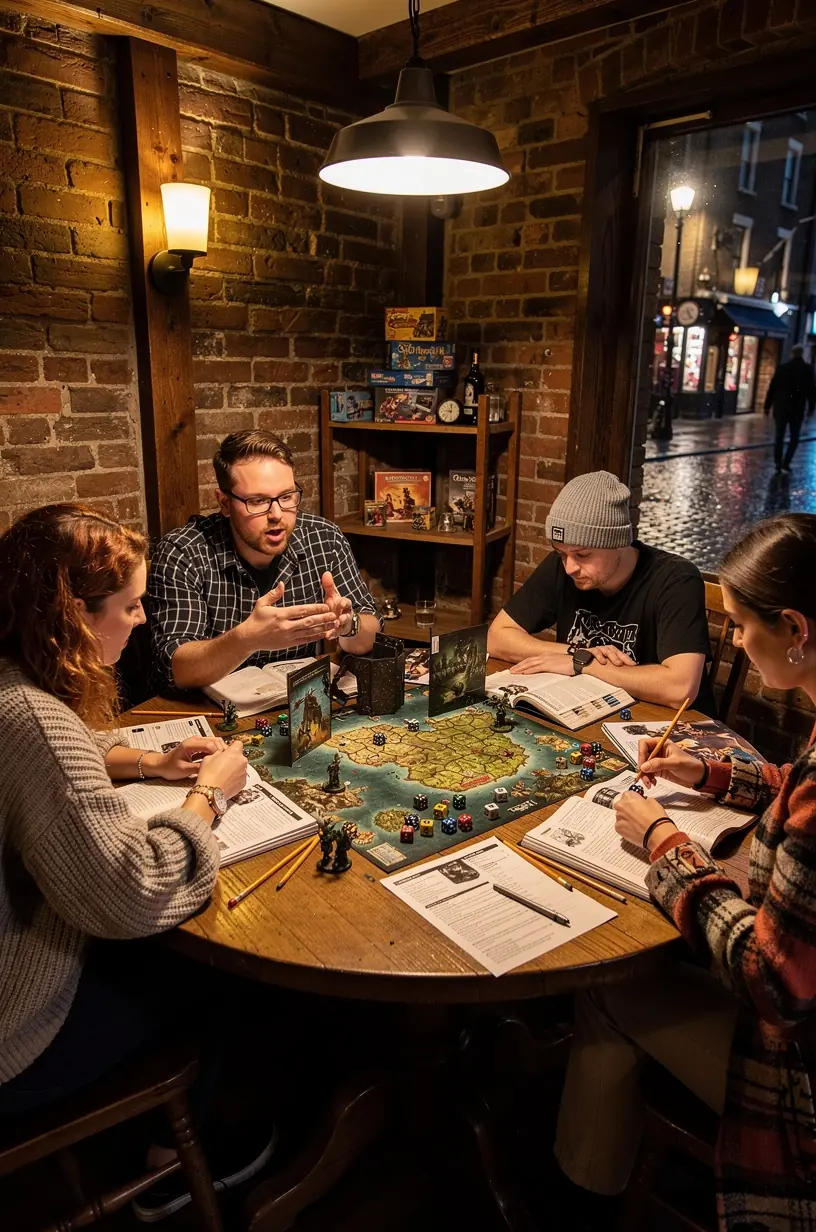
In contemporary society, board games have found a new home in dedicated clubs and cafes, particularly in urban centers across Ireland. These spaces not only facilitate gameplay but often host tournaments and themed social nights, fostering a sense of community among players.
The popularity of board game clubs can be attributed to several factors:
- Social Engagement: Many users report that participating in board game nights enhances social connectivity, offering a break from the digital world.
- Variety of Games: Clubs typically provide access to a broad array of games, from classic titles to new, innovative releases, appealing to diverse preferences.
- Structured Events: Regular tournaments and themed nights create an engaging atmosphere that attracts both seasoned players and newcomers.
Conclusion
The history and evolution of board games highlight their enduring appeal and adaptability to changing social dynamics. From ancient pastimes to modern club scenes, these games serve not just as entertainment but as a means of fostering community and connection. Understanding their evolution can deepen appreciation for the games we play today and the rich culture surrounding them.